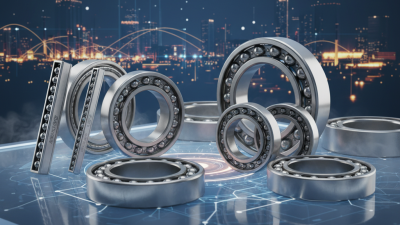
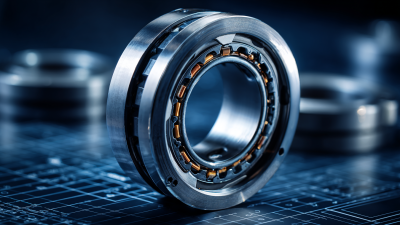
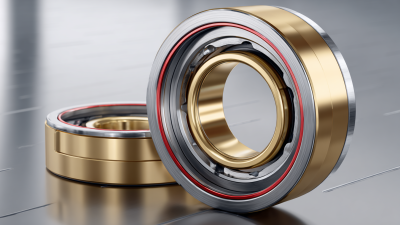
Why Choose Angular Bearings for Your Engineering Projects?
In modern engineering, choosing the right components is crucial. Angular Bearings have emerged as a popular choice for various applications. These bearings are designed to handle both axial and radial loads effectively, making them versatile. As Dr. Emily Carter, a leading expert in mechanical engineering, states, "Angular Bearings offer unmatched precision for complex assemblies."
The unique design of Angular Bearings allows for higher speeds and improved load distribution. This can lead to enhanced performance in machinery and reduce wear over time. Despite their advantages, some engineers overlook their potential. It's easy to misjudge the benefits of Angular Bearings, especially for those unfamiliar with their capabilities.
Investing in Angular Bearings can elevate engineering projects. However, the decision should not be taken lightly. Understanding their specifications is essential for optimal use. Each application may have different requirements, creating challenges in selection. Relying solely on standard options may not yield the best results. An informed choice can significantly impact the success of a project.
Benefits of Using Angular Bearings in Engineering Applications
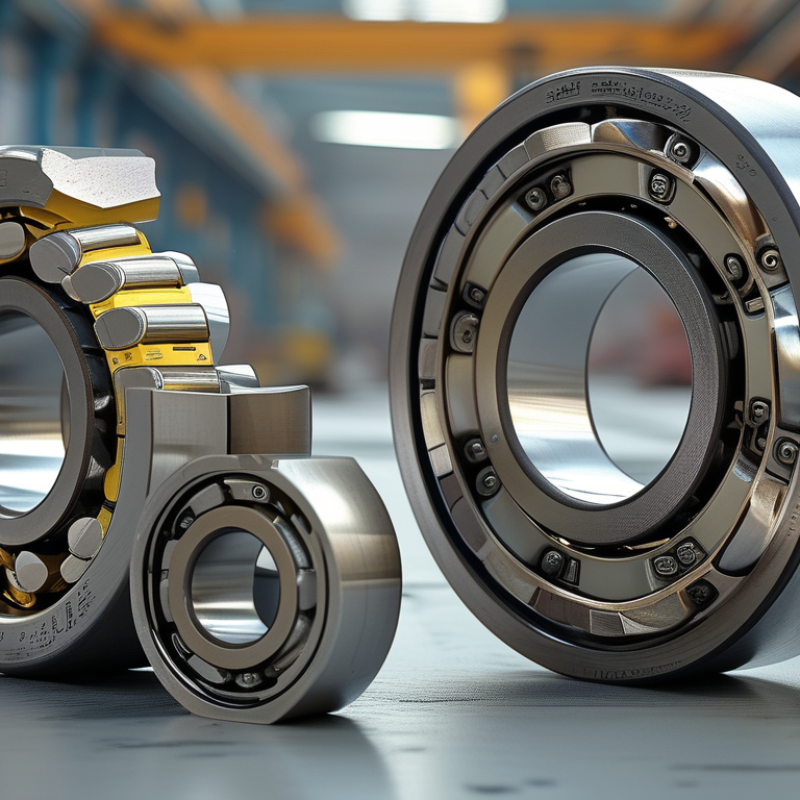
Angular bearings are essential components in various engineering applications. Their design enables them to handle both radial and axial loads simultaneously. This unique capability makes them particularly beneficial for high-speed machinery and equipment in fields like aerospace and automotive engineering.
According to a report by the International Journal of Engineering Research, angular bearings can improve efficiency by up to 30% compared to standard bearings. This enhancement is crucial for systems reliant on precision and durability. In wind turbines, for instance, the use of angular bearings can reduce maintenance costs by extending the lifespan of rotating components. However, improper selection or installation may lead to early failures. Thus, engineers must fully understand their specifications and limitations.
Moreover, the versatility of angular bearings allows for their application in diverse environments. From extreme temperatures to heavy loads, they demonstrate remarkable resilience. However, this resilience does not come without challenges. The vibrations generated in certain setups may negatively impact performance. Hence, ongoing evaluation and adaptation are necessary for optimal results.
Benefits of Using Angular Bearings in Engineering Applications
Key Features of Angular Bearings and Their Impact on Performance
Angular bearings are essential components in various engineering projects. Their design allows them to handle both radial and axial loads simultaneously. This versatility makes them a preferred choice in applications like automotive and industrial machinery. By enabling precise alignment and minimizing friction, these bearings enhance overall performance.
One key feature of angular bearings is their ability to accommodate severe angular misalignments. This is vital in dynamic environments. The friction generated can lead to inefficiencies; hence, choosing the right bearing can significantly impact the lifespan of equipment. Additionally, their arrangement facilitates higher load capacities, further improving their reliability in demanding applications.
However, not all angular bearings perform the same under specific conditions. Engineers must consider factors like material, lubrication, and operating environment. A bearing that works well in one scenario may not suffice in another. Therefore, ongoing research and development are essential. Each project offers unique challenges that require critical thinking and adaptation. Understanding these nuances is vital for optimizing performance.
Why Choose Angular Bearings for Your Engineering Projects? - Key Features of Angular Bearings and Their Impact on Performance
| Feature |
Description |
Impact on Performance |
| Load Capacity |
Angular bearings are designed to withstand high radial and axial loads. |
Increases the overall durability of the machinery. |
| Precision Engineering |
Manufactured to high tolerances for accurate alignment and smooth operation. |
Enhances the efficiency and reduces operational noise. |
| Versatility |
Suitable for various applications, including robotics, automotive, and aerospace. |
Provides design flexibility across different engineering projects. |
| Ease of Installation |
Angular bearings can be mounted easily with minimal adjustments required. |
Reduces assembly time and labor costs. |
| Maintenance |
Low maintenance needs due to durable material selection. |
Decreases downtime and increases productivity. |
Comparison of Angular Bearings with Other Bearing Types
Angular bearings are designed to handle both radial and axial loads. This ability makes them suitable for a variety of applications, particularly in engineering projects. According to the International Journal of Engineering Research, these bearings can improve stability in rotating shafts by up to 20%. Such performance is particularly valuable in high-speed machinery.
In contrast, standard radial bearings primarily support radial loads. They can experience issues when axial forces come into play. A report by the Bearing Industry Association notes that failures in radial setups often lead to increased downtime. Angular bearings mitigate this risk by providing a more robust solution for complex load scenarios.
Despite their advantages, angular bearings can have a higher initial cost. This can deter some engineers from choosing them. However, the long-term benefits, such as reduced maintenance costs and downtime, often outweigh these initial expenses. It's crucial to assess each project’s needs carefully. Engineers should weigh immediate costs against potential long-term gains before making a decision.
Common Applications of Angular Bearings in Various Industries
Angular bearings play a vital role in a variety of engineering applications. These bearings enable precise alignment and support axial loads. They are often used in machine tools, vehicles, and construction equipment. Their unique design accommodates angular misalignment, making them useful for many challenging scenarios. These features contribute significantly to operational efficiency.
In the aerospace industry, angular bearings are crucial for high-speed applications. They help maintain accuracy and stability under extreme conditions. In automation systems, they ensure smooth motion and reduce wear. Their performance can be affected by environmental factors. Dust and moisture can shorten their lifespan.
In robotics, angular bearings facilitate complex movements. They allow for flexible joint designs and efficient force distribution. However, improper installation can lead to alignment issues, compromising overall function. Engineers must pay attention to these details to maximize performance. Each application reveals new challenges, reminding us that precision matters in engineering.
Factors to Consider When Selecting Angular Bearings for Projects
When selecting angular bearings for engineering projects, several key factors come into play.
Load capacity is crucial. Determine the static and dynamic loads that the bearing will need to support. A bearing under constant stress may experience premature failure.
Pay attention to the material of the bearings. Different materials can withstand different conditions like temperature and corrosive elements.
Installation precision is another important consideration. If installed incorrectly, bearings may wear out quickly. Proper alignment helps to maximize performance and lifespan. Environmental conditions should not be underestimated. If the bearing operates in a dusty or wet environment, the appropriate sealing is necessary to protect it.
Cost is a constant factor in decision-making. While cheaper options might seem appealing, they may not offer the reliability required. Consider the long-term costs of maintenance and replacement against the initial price. Balancing quality and expense is often a challenging task. A thorough understanding of your specific project needs can guide you towards the most suitable choice.