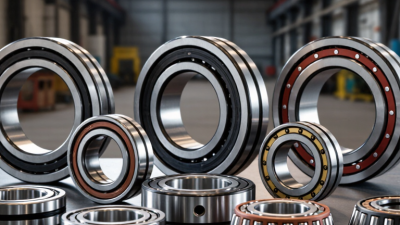
How to Choose the Best Bearing Tools for Global Sourcing?
Choosing the best Bearing Tools for global sourcing is not simply a price comparison. It is a decision about installation quality, worker safety, supplier consistency, and long-term maintenance. A puller may look strong in a catalogue, yet its jaw alignment, surface finish, and load rating determine real performance. Small details matter.
Dr. Tedric A. Harris, a respected bearing analyst and author, often emphasized, “Bearings don’t fail; they are failed.” This principle is highly relevant when selecting tools. Incorrect mounting force, improvised striking, or poor hydraulic control can damage a bearing before operation begins. Therefore, buyers should examine technical drawings, material specifications, calibration records, training guidance, and replacement-part availability. Independent test reports also add credibility, although they should be checked carefully.
Global sourcing introduces additional questions. Can the supplier provide traceable batch records? Are dimensions stated in metric and imperial units? Does the tool comply with applicable safety and quality requirements in its destination market? Clear answers reduce avoidable risk. A reliable supplier should explain limitations, not promise universal compatibility. That honesty is valuable.
The practical test is simple. Place the tool beside the bearing, shaft, and installation space. Check clearance, force capacity, grip stability, and operator access. A checklist helps.
Still, no checklist is perfect. Field conditions differ, and purchasing teams sometimes overlook training or storage. That weakness deserves attention. The best choice combines verified engineering data, supplier experience, documented quality controls, and feedback from technicians who use Bearing Tools every day.
Define the Task with ISO 281 L10 Bearing-Life Requirements
How to Choose the Best Bearing Tools for Global Sourcing?
Define the Task with ISO 281 L10 Bearing-Life Requirements
Bearing tool selection should begin with the required service life, not the lowest purchase price. ISO 281:2007 defines L10 life as the rating life reached by 90% of identical bearings under identical conditions. The calculation uses L10 = (C/P)^p million revolutions. The exponent is 3 for ball bearings and 10/3 for roller bearings. That difference can change the selected tool and bearing size.
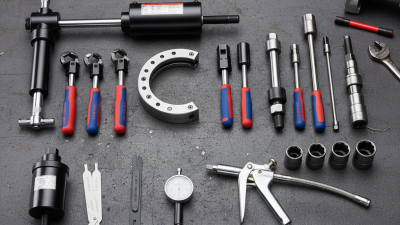
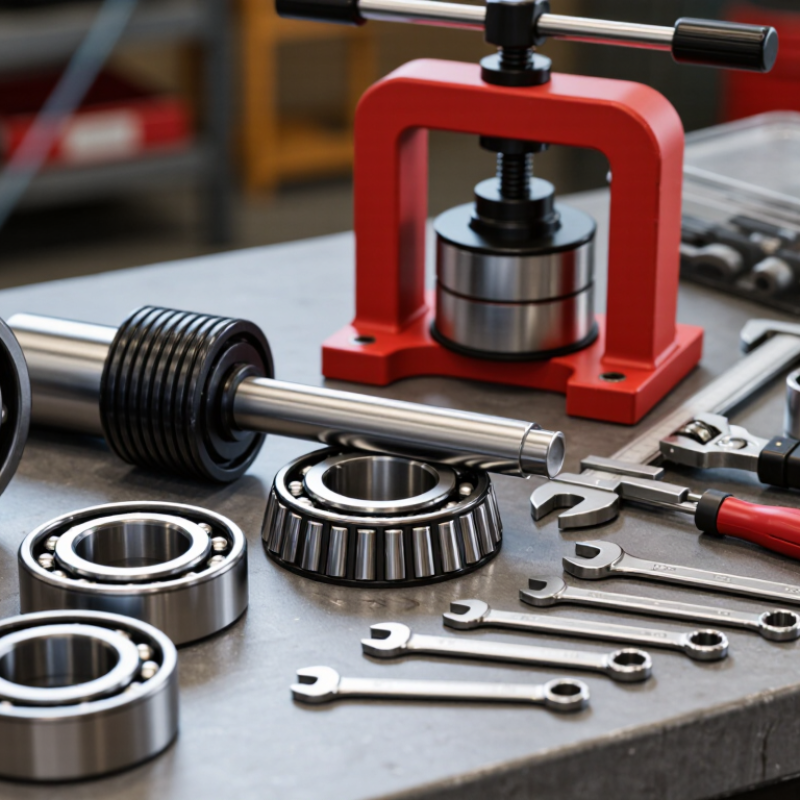
Record radial load, axial load, speed, temperature, lubrication, and shaft dimensions. Then match the task with suitable tools, such as induction heaters, calibrated mounting nuts, hydraulic extractors, and torque measurement equipment. A mounting error can create internal damage before operation begins. Small errors hurt. Avoid striking a bearing ring directly. It may feel efficient, but the false economy is real.
The U.S. Department of Energy reports that motor-driven systems consume about 70% of industrial electricity in manufacturing facilities. Efficient bearing installation therefore supports more than maintenance quality. It can reduce friction-related losses and unplanned stoppages. Still, ISO 281 is not a complete reliability forecast. Contamination, misalignment, poor sealing, and installation damage can shorten actual life. I have found that sourcing teams often overtrust the calculated L10 value. It is a design reference, not a promise. Use documented measurements, inspection records, and supplier test data before approving a global tool package.
How to Choose the Best Bearing Tools for Global Sourcing?
Define the task with ISO 281 L10 bearing-life requirements
This chart shows the ISO 281 basic rating life L10 in millions of revolutions as the ratio between basic dynamic load rating and equivalent dynamic bearing load increases. The calculation uses L10 = (C/P)p, with p = 3 for ball bearings and p = 10/3 for roller bearings. L10 represents the life at which 90% of an identical bearing population is expected to survive under defined operating conditions.
Match Pullers, Heaters, and Drivers to ISO 15243 Failure Modes
How to Choose the Best Bearing Tools for Global Sourcing?
ISO 15243 should guide tool selection, but it is not a complete purchasing chart. It classifies damage such as fatigue, abrasive wear, corrosion, electrical erosion, plastic deformation, and fractures. For fatigue-related spalling, use a puller that grips the correct ring without loading rolling elements. A heater suits tight fits, but temperature control matters. Never guess.
Plastic deformation often shows as brinelling or mounting dents. A precision driver applies force through the fitted ring, not across the bearing. For corrosion or wear, remove the bearing carefully and inspect the shaft and housing. A new tool cannot correct poor fits, contamination, or incorrect lubrication.
Electrical erosion needs more than replacement. Check grounding, insulation, and current paths before installation.
Tips: Request tool drawings, load ratings, temperature limits, calibration records, and spare-part availability from suppliers. Match metric or inch dimensions to your equipment. In field service, I have seen teams overheat bearings because the fit was misunderstood. That mistake is expensive. A puller may also look suitable but lack enough reach or rigidity. Test compatibility with sample components before global purchasing. Keep inspection photos and failure codes with each sourcing record. ISO 15243 improves communication, yet judgment remains necessary. Some failures overlap. That is where a second inspection helps.
Screen Global Suppliers Using ISO 9001, RoHS, and REACH Compliance
How to Choose the Best Bearing Tools for Global Sourcing?
Screen Global Suppliers Using ISO 9001, RoHS, and REACH Compliance
When sourcing bearing tools globally, compliance should guide supplier screening, not decorate a sales presentation. ISO 9001 shows that a supplier operates a documented quality management system. Ask for the current certificate, issuing body, scope, and expiration date. The scope matters. It should cover the tools or manufacturing process you are purchasing.
RoHS and REACH require closer product-level checks. Request material declarations, restricted-substance test reports, and a clear process for updating them. REACH communication may also involve substances of very high concern in articles. Do not accept a generic “compliant” statement without traceable evidence. During factory reviews, compare certificates with batch records, inspection data, and corrective-action reports. I have found paperwork can look complete while process controls remain uneven. That gap deserves attention.
Tips: Ask for a sample tool and its inspection report. Verify dimensions, hardness, surface finish, and marking consistency. Confirm whether testing covers the exact model and material. Check document dates before approving a supplier. Keep a risk log for missing evidence, unclear responsibilities, and changing regulations. A second technical review is worthwhile. Small oversights become costly.
Compare Total Cost, Lead Time, and Warranty Across at Least 3 Suppliers
How to Choose the Best Bearing Tools for Global Sourcing?
Global sourcing starts with comparable data, not attractive quotations. Ask at least three suppliers to price the same bearing tool specification. Include material, size range, included accessories, packaging, and inspection documents. Supplier A may offer the lowest unit price. Supplier B may reduce freight through better packaging. Supplier C may charge more but include calibration records. Compare landed cost, not invoice price. Add tooling, sampling, export packing, freight, duties, payment fees, and possible rework. Currency changes can distort the result.
Lead time needs a precise starting point. Measure it from approved drawings, not the first email. Supplier A may promise 18 days after confirmation. Supplier B may need 28 days but holds common components locally. Supplier C may quote 15 days with no buffer. That sounds efficient. It may also be risky. Ask for production capacity, inspection timing, shipping schedules, and delay procedures. Record every assumption. I once treated a shipping estimate as production time, and the project slipped by nearly two weeks.
Warranty terms deserve equal attention. Compare warranty length, covered defects, response time, replacement freight, and evidence requirements. A longer warranty is not automatically stronger. Check whether misuse, incorrect installation, and normal wear are excluded. Request sample inspection reports and references from similar industrial users. Independent verification is useful. Evaluate service communication during quotation; slow replies can indicate future delays. Build a simple cost sheet with three scenarios: expected, delayed, and defective. The cheapest supplier may change under pressure. That possibility should shape the purchase decision.