2026 How to Choose the Best Automotive Bearings for Your Needs?
Choosing the right automotive bearings is crucial for vehicle performance and safety. Automotive bearings play a vital role in reducing friction and enabling smooth movement within various components. They significantly impact durability and efficiency.
With numerous options available, making an informed choice can be overwhelming. Each type of bearing serves a specific purpose and varies in design and material. Users often overlook the importance of compatibility with their vehicle model. Selecting the wrong bearing can lead to premature wear or failure.
Understanding specifications is key. Load ratings, dimensions, and environmental factors all dictate performance. Reliable suppliers provide essential information and support. Exploring various brands can reveal the best matches for your needs. Ultimately, investing time in research can lead to better decisions and enhanced vehicle longevity.
Understanding the Different Types of Automotive Bearings Available
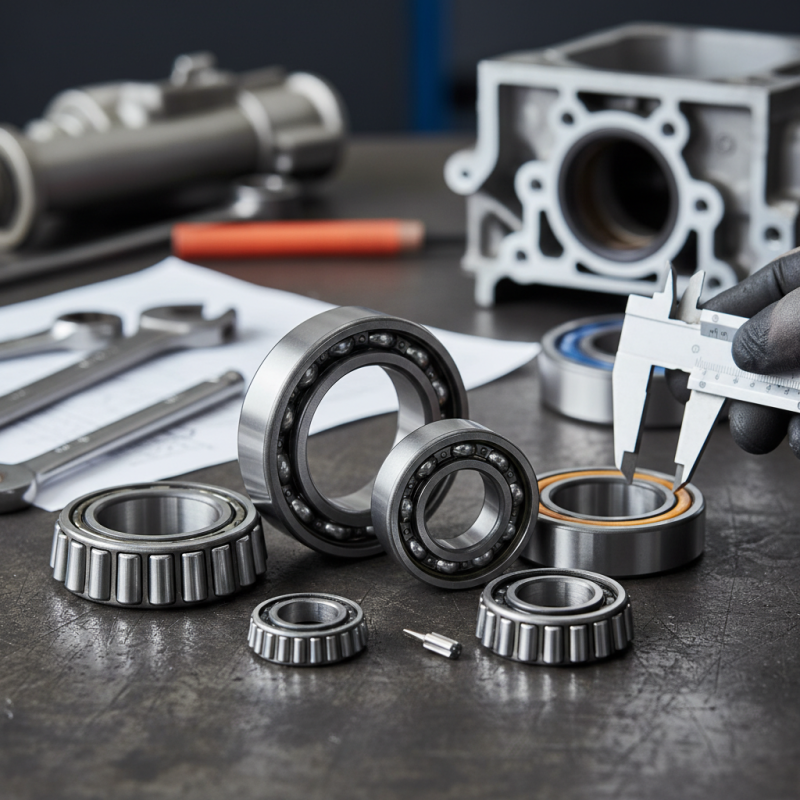
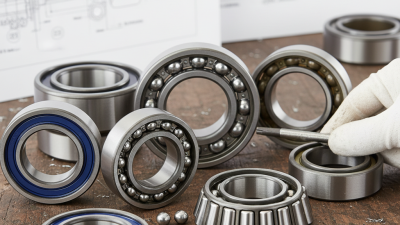
When selecting automotive bearings, understanding the various types is crucial. Ball bearings are commonly used in wheel hubs and provide smooth rotation. They are suitable for high-speed applications but may not handle heavy loads as effectively as other types.
Roller bearings serve a different purpose. They excel under heavy loads and high torque. Their design allows for greater surface area contact, enhancing their load capacity. However, they might produce more friction than ball bearings, impacting efficiency in certain situations.
Finally, there are tapered roller bearings. These are often found in vehicle axles. They offer a combination of thrust and radial load support. While they can be more complex to install, their performance in specifically engineered applications is remarkable. Understanding these distinctions will help ensure you're choosing the right bearing for your automotive needs.
Key Factors to Consider When Selecting Automotive Bearings
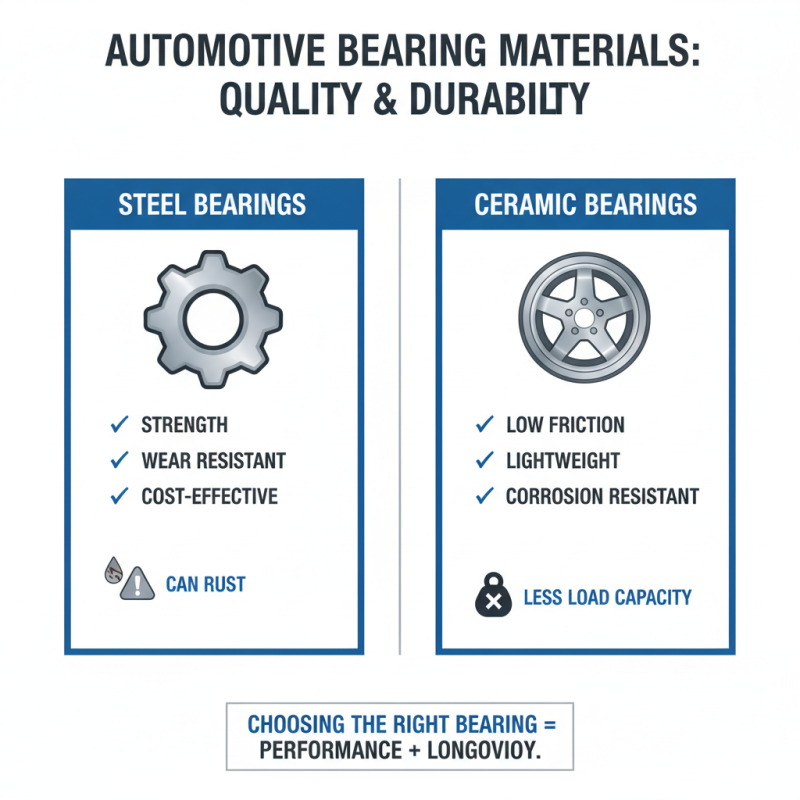
Choosing the right automotive bearings can impact performance and longevity. There are several key factors to consider. First, material matters. Bearings can be made from steel, ceramic, or even plastic. Each material has strengths and weaknesses. Steel is common due to its strength but can rust.
Next, size and fit are critical. Too large or too small bearings can lead to poor performance. It’s essential to check specifications and ensure compatibility. Load capacity is another vital factor. Consider the weight your vehicle needs to support.
Lastly, don’t overlook lubrication. Proper lubrication can greatly affect bearing performance. Regular maintenance is essential to avoid premature wear. Reflect on your driving habits. This can help in selecting the appropriate type. A wrong choice can lead to costly repairs. Understanding these factors can lead to better decision-making.
2026 How to Choose the Best Automotive Bearings for Your Needs? - Key Factors to Consider When Selecting Automotive Bearings
| Parameter |
Description |
Importance Level |
Common Materials |
| Load Capacity |
Maximum load that can be supported by the bearing |
High |
Steel, Ceramic |
| Speed Rating |
Maximum operational speed of the bearing |
Medium |
Steel, Stainless Steel |
| Temperature Range |
Operating temperature limits for the bearing |
High |
Polymer, Metal |
| Lubrication Type |
Type of lubrication required for optimal performance |
High |
Grease, Oil |
| Noise Level |
Noise generated by the bearing during operation |
Medium |
Steel, Composite |
Evaluating Load Capacity and Performance Specifications
When selecting automotive bearings, evaluating load capacity and performance specifications is crucial. Load capacity refers to the maximum weight a bearing can support under various conditions. The American Bearing Manufacturers Association (ABMA) states that proper load ratings can significantly impact durability and performance. For instance, the dynamic load ratings for a typical automotive ball bearing can range from 500 to 25,000 Newtons, depending on size and design.
Performance specifications also play a critical role. These include speed ratings, temperature tolerances, and lubrication requirements. Bearings often operate under harsh conditions. Their failure can lead to costly repairs or safety issues. According to a recent report, around 30% of bearings fail prematurely due to inadequate load handling. This emphasizes the importance of understanding your load requirements. Consider both stationary and rotating loads when making your choice.
It is advisable to consult detailed product specifications or expert recommendations. However, manufacturers often publish data that can be confusing or lack context. Not all specifications apply equally to every application. It’s essential to ensure you select bearings suited for your specific vehicle and operating conditions. Making an informed choice is not always straightforward, but it pays off in the long run. Balancing load capacity and performance requires diligence and expertise.
Assessing Material Quality and Durability of Bearings
Choosing the right automotive bearings involves understanding the materials used. Different materials offer varying levels of performance and durability. Steel bearings are popular due to their strength and resistance to wear. However, they can rust if not properly maintained. On the other hand, ceramic bearings provide low friction and are often lighter. Yet, they may not handle heavy loads as effectively as steel.
Assessing durability is also vital. Look for bearings that can withstand harsh conditions. High temperatures and moisture can significantly impact performance. A bearing that performs well in ideal conditions might fail in real-world applications. Testing for fatigue resistance is essential. It's worth considering that even quality materials can deteriorate over time, especially under stress. Regular inspections can help reveal hidden issues.
Ultimately, your choice should reflect your specific needs. Consider how and where the bearings will be used. Do you often drive in wet conditions? Will the bearings endure heavy loads? These factors should guide your decision. Always opt for reliability and performance. Ignoring these elements can lead to premature failure and increased costs.
Identifying Reliable Manufacturers and Suppliers for Bearings
When selecting automotive bearings, finding reliable manufacturers and suppliers is crucial. Begin by researching companies with a strong reputation in the industry. Look for those that emphasize quality and experience. Reliable suppliers often provide clear specifications as well as insights into the materials they use. This transparency is a sign of credibility.
Check customer reviews and industry certifications. These indicators often reflect a company's adherence to industry standards. Engaging with professionals in automotive forums can provide firsthand recommendations about trustworthy sources. However, not all endorsements are equal. Some may stem from personal experience, while others may lack substance.
Consider reaching out to manufacturers for samples or technical support. A reputable supplier should be willing to assist you. Take note of their responsiveness and willingness to answer technical queries. If they are hesitant or vague, it may raise red flags. Balancing your findings can lead to smarter decisions. Always be open to reevaluating your choices based on new information.
2026 Automotive Bearings: Choosing the Right Type for Your Needs
This chart represents the distribution of different types of automotive bearings commonly used in vehicles. Understanding the variety of bearings available can help in making informed choices for automotive needs.