Top 10 Automotive Bearings Buyers Guide for Global Procurement?
The automotive industry is evolving rapidly, and automotive bearings play a crucial role in this transformation. According to Dr. Emily Johnson, a renowned expert in automotive engineering, "Quality bearings are the backbone of vehicle performance." This statement highlights the importance of selecting the right automotive bearings for optimal vehicle functionality.
Reliable automotive bearings improve efficiency and enhance safety. They reduce friction, increase durability, and ultimately extend vehicle life. Yet, the market is flooded with choices. Not all buyers fully understand the specifications or performance metrics. This complexity can lead to mistakes that impact vehicle operations.
In our guide, we will explore the top ten automotive bearings essential for global procurement. Each choice is backed by market research and user feedback. By understanding the nuances of these products, buyers can make informed decisions. A thorough evaluation is vital to ensure that the bearings meet proper standards and expectations.
Understanding Automotive Bearings: Types and Functions
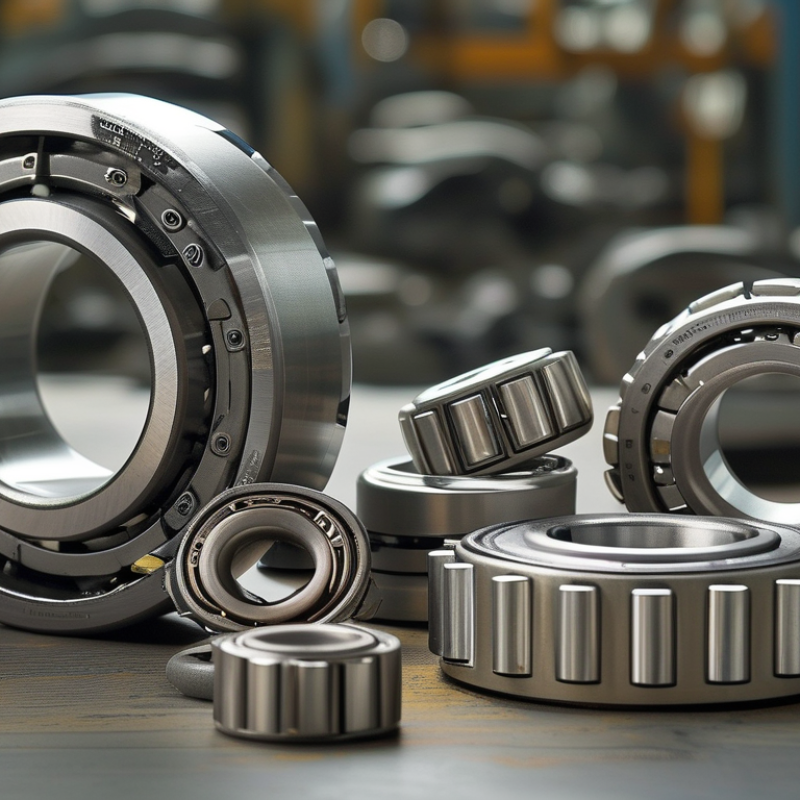
Automotive bearings are crucial components in vehicles. They support rotational motion, reduce friction, and enhance efficiency. According to industry reports, bearings account for around 25% of a vehicle's overall frictional losses. This underlines their importance in fuel economy and performance.
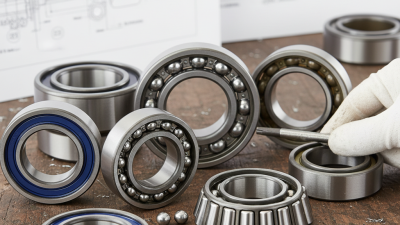
There are various types of automotive bearings, including ball bearings, roller bearings, and plain bearings. Ball bearings are widely used in wheel hubs. They enable smooth rotation and contribute to the vehicle's handling characteristics. Roller bearings handle higher loads and are commonly found in transmission systems. Plain bearings, though simpler, are essential in applications like engine crankshafts.
Despite their effectiveness, bearings are not without challenges. Poor lubrication can lead to premature failure. A recent study indicated that about 30% of bearing failures arise from inadequate lubrication. Regular maintenance and monitoring are pivotal. Understanding the specific requirements of each bearing type leads to better performance and longevity. This knowledge can significantly impact procurement strategies for automotive parts.
Key Factors to Consider When Sourcing Automotive Bearings
When sourcing automotive bearings, several key factors deserve careful consideration. Quality and durability are paramount. Industry reports indicate that about 30% of bearing failures are due to poor material selection. Opt for bearings made from advanced alloys that offer higher resistance to wear and tear.
Another critical aspect is compatibility. Automotive applications require specific bearing types that suit particular vehicle models. There is often little room for error. Measurements should be precise. A small deviation can lead to increased friction, resulting in performance issues.
Sustainability is increasingly relevant in procurement decisions. Studies show that sourcing from suppliers with sustainable practices can improve a company’s reputation. Suppliers should be transparent about their production processes. Customers are increasingly prioritizing suppliers who demonstrate environmental responsibility. Think about the long-term impact of your choices. Reliability in supply chains is essential for maintaining production schedules. Delays can be costly. Establish strong communication channels with your suppliers. This ensures timely deliveries and quality assurance of the products.
Evaluating Quality Standards and Certifications for Bearings
When selecting automotive bearings, understanding quality standards and certifications is crucial. These benchmarks ensure that bearings meet specific performance expectations. Different industries may have various standards, but common ones include ISO and ASTM certifications. These certifications reflect a commitment to quality and reliability.
Manufacturers often seek third-party testing to validate their products. The process can be complex, requiring comprehensive understanding of material properties and manufacturing techniques. Some buyers may overlook this aspect, but it can lead to subpar performance. Consider the implications of using non-certified bearings; reduced efficiency and early failure are common issues.
Assessing a supplier's quality control processes is also essential. Many manufacturers share documentation that outlines their testing methods. This transparency builds trust and allows for informed decisions. However, not all suppliers provide complete information, which can be a red flag. Buyers must be vigilant and ensure they are not compromising on quality standards during procurement.
Top Suppliers and Manufacturers in the Global Automotive Bearings Market
The automotive bearings market is experiencing significant growth due to rising vehicle production and demand for efficient components.
According to a recent market report, the global automotive bearings market size is expected to surpass USD 30 billion by 2025, growing at a CAGR of 5.5%.
This trend reflects the increasing complexity of automotive designs, as manufacturers require high-performance bearings that can enhance durability and reduce friction.
Key suppliers and manufacturers play a crucial role in this landscape. Companies specializing in automotive bearings are focusing on innovation and technology to meet evolving market demands.
They are investing in R&D to develop lighter, stronger materials that can withstand harsh conditions.
However, not all manufacturers maintain consistent quality standards, raising concerns for buyers.
Reports indicate that around 15% of automotive components fail to meet specified performance criteria, reflecting a need for better quality control in the industry.
Emerging markets present additional challenges and opportunities.
While countries like India and Brazil exhibit growing demand, their suppliers often struggle with reliability and regulatory compliance.
Buyers must navigate this complex environment, ensuring they partner with reputable manufacturers.
This focus on quality and performance is essential in a sector where any deficiency can lead to significant safety issues and financial losses.
Trends and Innovations Shaping the Future of Automotive Bearings
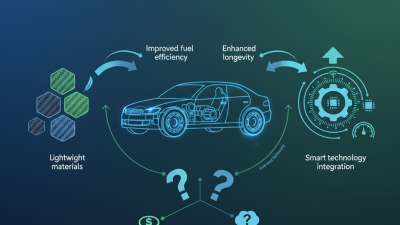
The automotive bearings market is experiencing significant transformations. Innovations in materials and design are becoming essential. For instance,
the shift towards lightweight materials is driven by the demand for enhanced fuel efficiency and lowered emissions.
According to a recent industry report, the global automotive bearings market is expected to grow at a CAGR of 6.5% from 2023 to 2030.
Electric vehicles (EVs) are also reshaping the bearings sector. As EV adoption rises, specific bearing types tailored for hybrid and electric powertrains are in high demand.
These new applications require bearings that can withstand unique stresses. A study estimates that EVs could constitute up to 30% of total vehicle sales by 2030, emphasizing the need for specialized bearings.
Tip: When sourcing bearings, consider innovative manufacturers focusing on sustainable materials. These producers are likely to lead in technological advancements.
Stay updated on market trends. Subscribing to industry reports can provide valuable insights. Your knowledge will help make informed procurement decisions. Look for suppliers who share their R&D findings, as transparency is a sign of reliability.