What is Bearing Lock and How to Choose the Best Option?
Bearing locks are critical components in various industrial applications, providing essential stability and reliability. A recent report by Research and Markets indicates that the global bearing market is projected to grow to $97 billion by 2025. This growth emphasizes the importance of effective bearing solutions. Choosing the right bearing lock is crucial for optimizing equipment performance and longevity.
Understanding different types of bearing locks can be complex. Manufacturers often struggle to determine the best option for their specific needs. According to an industry study, 40% of machine failures are linked to improper bearing installation and retention. This highlights the need for reliable bearing lock solutions to prevent costly downtime and repairs.
Selecting a bearing lock requires considering various factors such as load capacity, environmental conditions, and installation methods. While there are many options available, not all are suitable for every application. Manufacturers must reflect on their unique requirements and challenges when making this decision. The right bearing lock can significantly impact operational efficiency and machinery lifespan.
Understanding Bearing Lock: Definition and Functionality
Bearing locks are crucial elements that secure shafts and prevent unwanted movement. They function by holding bearings in place within machinery, reducing vibration and enhancing performance. According to industry reports, improper bearing lock selections can lead to a 15% increase in maintenance costs. This emphasizes the importance of understanding their functionality in any mechanical system.
Selecting the right bearing lock requires knowledge of several factors. The type of load, operating environment, and shaft size all play significant roles. It’s essential to have a firm understanding of each application's specific needs. For instance, a keyless bearing lock may be effective for applications requiring frequent adjustments.
Consider checking compatibility with existing machinery. Overly tight fits can cause damage, while loose fits lead to inefficiencies. Review the manufacturer's specifications and, if possible, consult experts for recommendations. Making informed choices can significantly mitigate risks and improve overall machinery reliability.
Types of Bearing Locks: An Overview of Available Options
Bearing locks play a vital role in securing machinery components. Understanding the types of bearing locks available can help in selecting the most suitable option for your applications. There are several common types, including setscrew locks, taper locks, and keyway locks. Each type offers unique benefits and drawbacks. For example, setscrew locks are simple, yet they can slip under high load. Taper locks provide a strong hold but may require special installation tools.
According to industry reports, the global bearing lock market is projected to grow at a CAGR of 5.2% from 2023 to 2030. This growth reflects the increasing demand for reliable machinery components. Taper locks are often favored for their robust grip. Their ability to maintain alignment under high torque makes them a preferred choice. However, they may pose challenges during disassembly. On the other hand, keyway locks offer flexibility in maintenance but can be less secure than tapered options.
Consider the specific requirements of your machinery when choosing a bearing lock. Weigh the performance and installation challenges associated with each type. It is essential to balance security with ease of maintenance. This can often lead to a more informed choice that positively impacts machine efficiency over time.
Factors to Consider When Choosing a Bearing Lock
When choosing a bearing lock, several factors must be considered to ensure optimal performance and safety. First, the type of application is crucial. Different industries have varying demands. For instance, a high-speed machinery environment may require a sturdy lock, while a low-speed application may prioritize ease of use. Understanding the specific needs of your machinery will guide you in selecting the appropriate lock.
Material and environment also play significant roles in decision-making. The bearing lock must endure the operating conditions. Corrosion-resistant materials might be essential for marine applications. Similarly, consider the temperature fluctuations in your environment. Locks that perform excellently at certain temperatures may fail elsewhere. Testing in relevant conditions can help identify potential weaknesses.
Look into the installation process too. Some locks are user-friendly, while others may need specialized tools or skill sets. Over time, a complex installation can lead to user frustration. Analyzing the skill level of the installation team is therefore essential. Reflecting on these factors helps in avoiding mistakes and ensuring a more reliable operation.
Installation Process: How to Properly Use a Bearing Lock
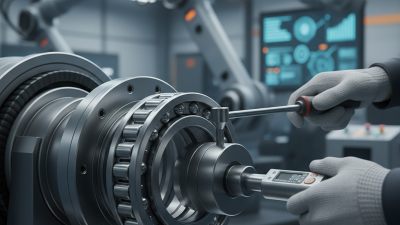
When installing a bearing lock, precision is crucial for optimal performance. Begin by ensuring that the bearing and shaft are clean. Any residue can affect the lock’s effectiveness. Proper alignment is essential during the installation process, as misalignment can lead to premature failure or noise.
Another key aspect involves tightening the lock. It's important to tighten it evenly to prevent stress on the bearing. Over-tightening can cause damage, while under-tightening may result in the lock becoming loose. Pay attention to the manufacturer's specified torque values, but be ready to adjust based on your observations.
One common mistake is neglecting to check the fit between the bearing and the shaft. A loose fit may require additional measures for stabilization. It can lead to vibration and imbalance over time. Failures often stem from overlooking such details. Always inspect components before and after installation to catch potential issues early. Being mindful of these practices can enhance the longevity and reliability of your bearing lock.
What is Bearing Lock and How to Choose the Best Option?
This chart compares the performance ratings of various bearing lock options. Each option has been rated based on a set of criteria to help you select the best one for your needs.
Maintenance Tips for Ensuring Long-lasting Bearing Locks
Maintaining bearing locks is crucial for ensuring their longevity and functionality. Regular inspection can help identify wear and tear before it becomes a serious issue. Check for signs of corrosion or rust, as these can significantly shorten the lifespan of the locks. A simple visual check often reveals many potential problems, but don’t forget to feel the lock's tension during operation. A loose or stiff lock can indicate underlying issues.
Lubrication plays an essential role in the maintenance of bearing locks. Using the right type of lubricant keeps components moving smoothly and reduces friction. However, over-lubricating can attract dirt and grime. Finding the right balance requires experience and careful observation. It is essential to clean any dirt before applying lubricant to ensure optimal performance.
Regularly replacing worn seals is also important. Neglecting this can lead to contamination, which may affect the lock's function. Regular replacement timelines vary based on operating conditions, yet many overlook this aspect. Not addressing such maintenance checks can lead to unexpected downtimes. A proactive approach in monitoring and maintaining these small but vital components can save considerable time and resources in the long run.